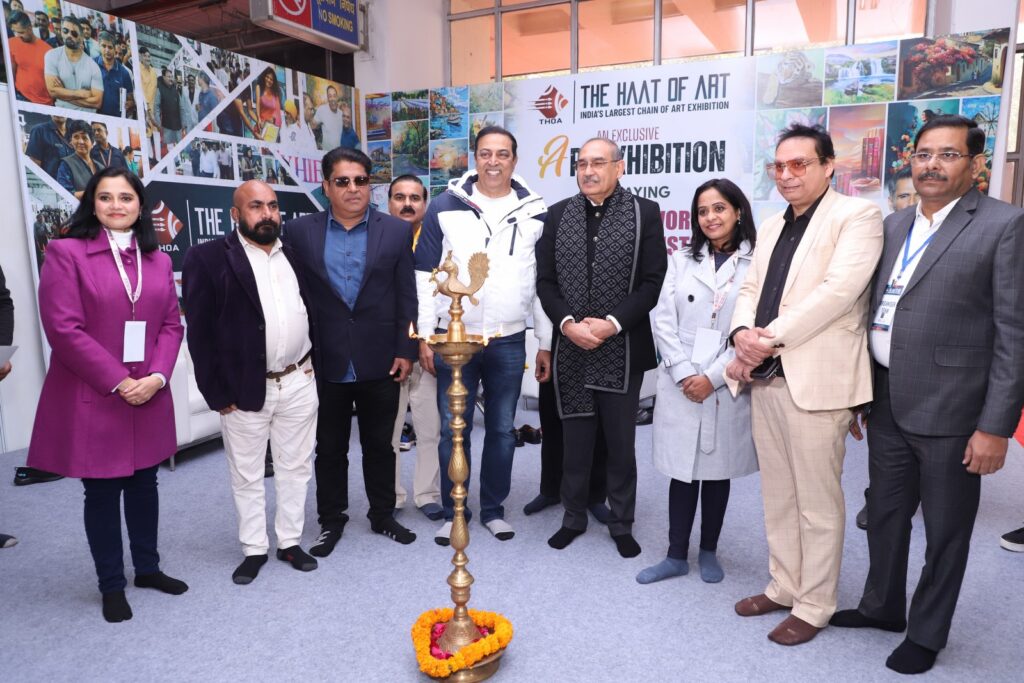
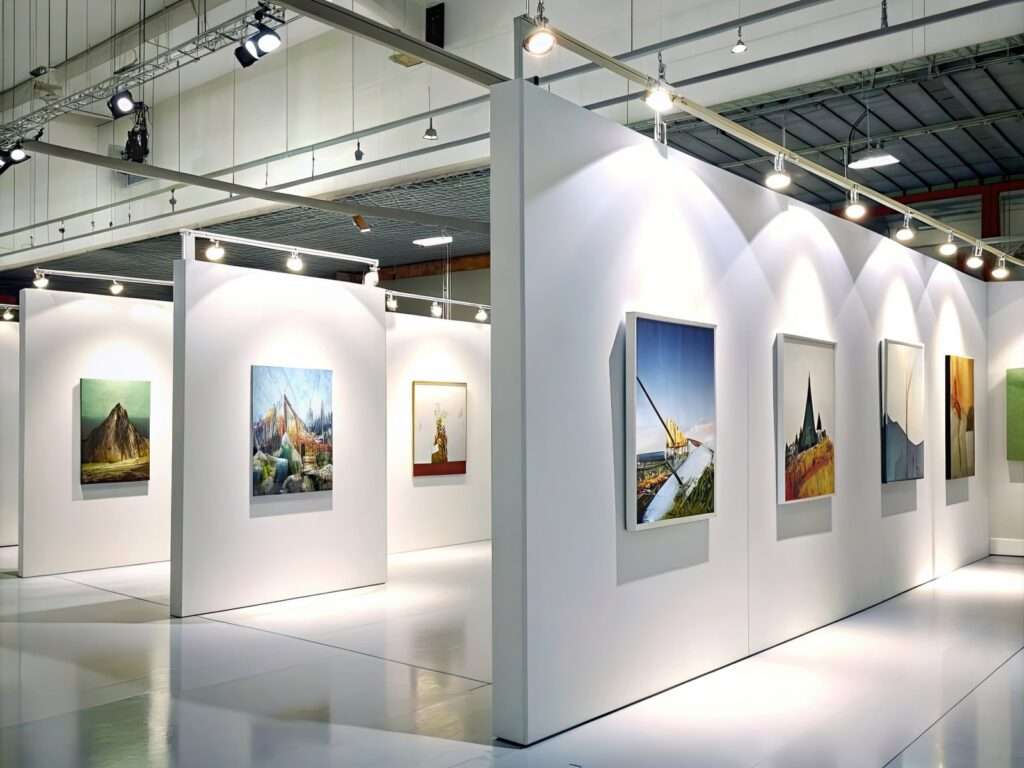
Indian folk art is a vibrant reflection of India’s cultural diversity, traditions, and storytelling heritage. At the same time, it serves as a bridge between generations, connecting rural creativity with modern appreciation. At The Haat of Art (THOA), The folk art is not just displayed—it is celebrated, promoted, and preserved.
Understanding Indian Folk Art
To begin with, Indian folk art originates from rural and tribal communities where artistic expression is deeply intertwined with daily life. Moreover, these art forms tell stories of mythology, nature, rituals, and social customs through techniques passed down for centuries.
Unlike mass-produced artworks, folk art is handmade, symbolic, and culturally authentic—qualities that align perfectly with THOA’s mission. Therefore, it continues to attract collectors, enthusiasts, and art lovers alike.
Folk Art at The Haat of Art
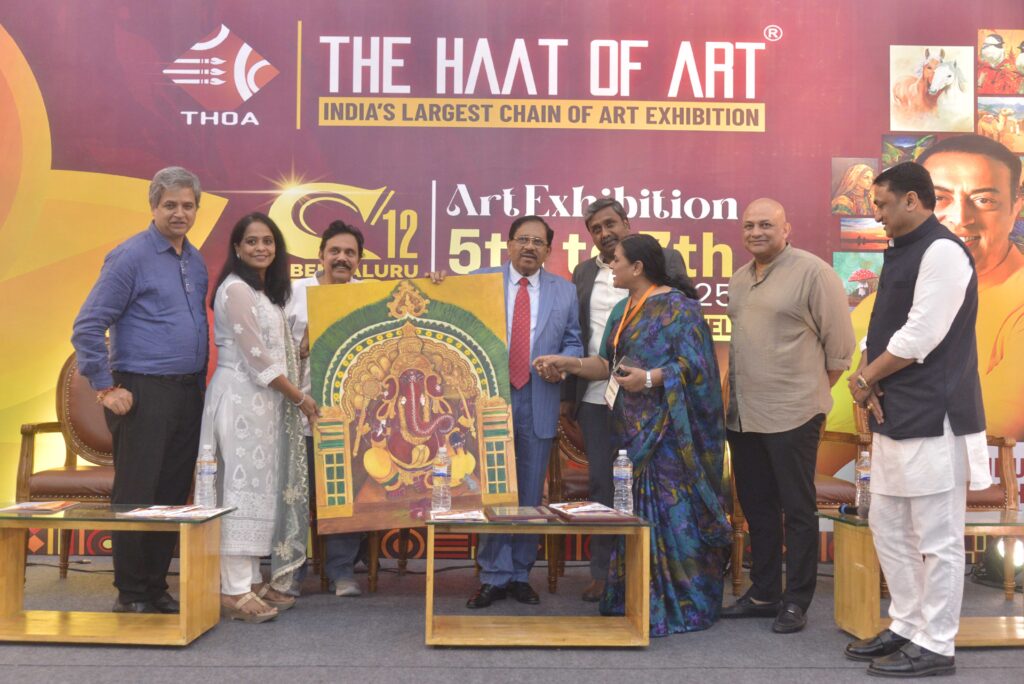
Importantly, THOA acts as a contemporary marketplace for traditional creativity. By uniting folk artists and exhibitors from across India, it ensures that indigenous art forms are preserved while providing artists with sustainable opportunities.
Through curated exhibitions and artist showcases, THOA promotes:
- Authentic folk art
- Direct artist-to-audience connections
- Cultural awareness and appreciation
- Ethical and handmade art practices
Popular Art Forms
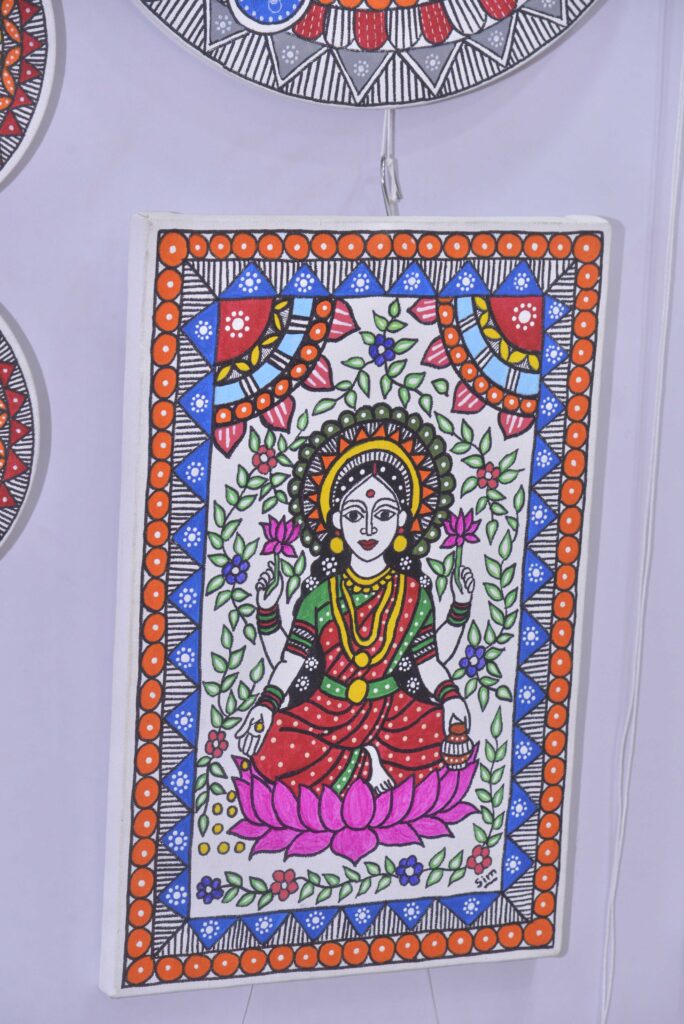
For example, Madhubani art is known for its intricate patterns and natural colors, often depicting mythology and nature. Similarly, Warli art, with its minimalistic style, appeals to modern interiors and contemporary art collectors.
In addition, Gond art’s vibrant forms and detailed patterns reflect spiritual and ecological symbolism, making it a favorite at THOA exhibitions. Meanwhile, Pattachitra and Kalamkari showcase India’s diverse storytelling techniques through scroll paintings and hand-painted textiles.
Why Folk Art Is Trending
It is trending because of growing interest in sustainable, handmade, and culturally rooted art. Furthermore, platforms like THOA bridge the gap between tradition and contemporary appreciation, making folk art accessible to a global audience.
Supporting Artists Through THOA
By participating in THOA exhibitions or purchasing art, visitors actively support fair recognition for folk artists, preserve endangered art forms, and contribute to the growth of India’s artisan economy. In other words, every interaction helps keep India’s artistic heritage alive.
Indian Folk Art in Modern Spaces
Consequently, Indian folk art is increasingly embraced in home décor, corporate spaces, and cultural exhibitions. As a result, these artworks bring warmth, authenticity, and storytelling into modern interiors.
The Haat of Art’s Vision for Indian Folk Art
Ultimately, THOA envisions a future where Indian folk art thrives alongside contemporary creativity. By nurturing traditional artists and promoting cultural exchange, the platform ensures that folk art remains relevant, respected, and valued. The art lovers can purchase the handcrafted pieces directly, supporting local artists and helping preserve these timeless art forms for future generations
Conclusion
Indian folk art embodies the spirit of India’s cultural legacy. Meanwhile, The Haat of Art provides a vital platform for preserving, promoting, and celebrating these traditions. In conclusion, supporting THOA means supporting artists, culture, and a living artistic heritage that continues to inspire generations.